Use area, then check the cut
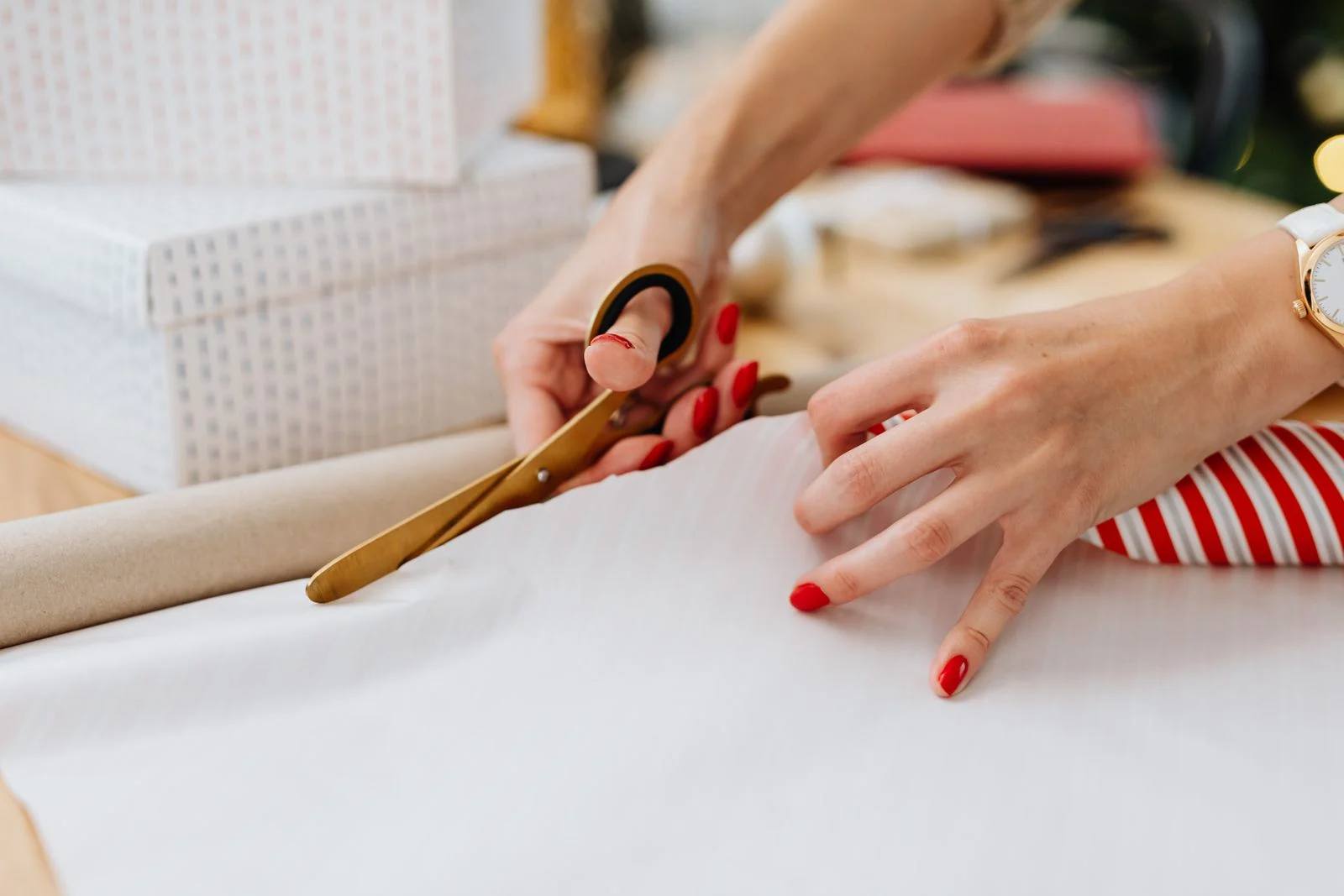
For rectangular paper, multiply length by width to compare total area. An illustrative roll measuring 3m by 0.7m provides 2.1 square metres. A 5m roll only 0.4m wide provides 2 square metres, despite its greater length. At the same price, the first has slightly more paper.
Area is not the whole answer. A narrow roll may still be awkward for a large box, and a repeated pattern can create offcuts when you align it. Check that the paper can wrap around the actual gift with enough overlap for a secure fold.
For bags, compare internal usable dimensions and handle strength rather than the promotional photograph. Count the sizes you can use from a mixed pack; a large number of tiny bags does not solve a need for several larger ones.
Count the supporting materials
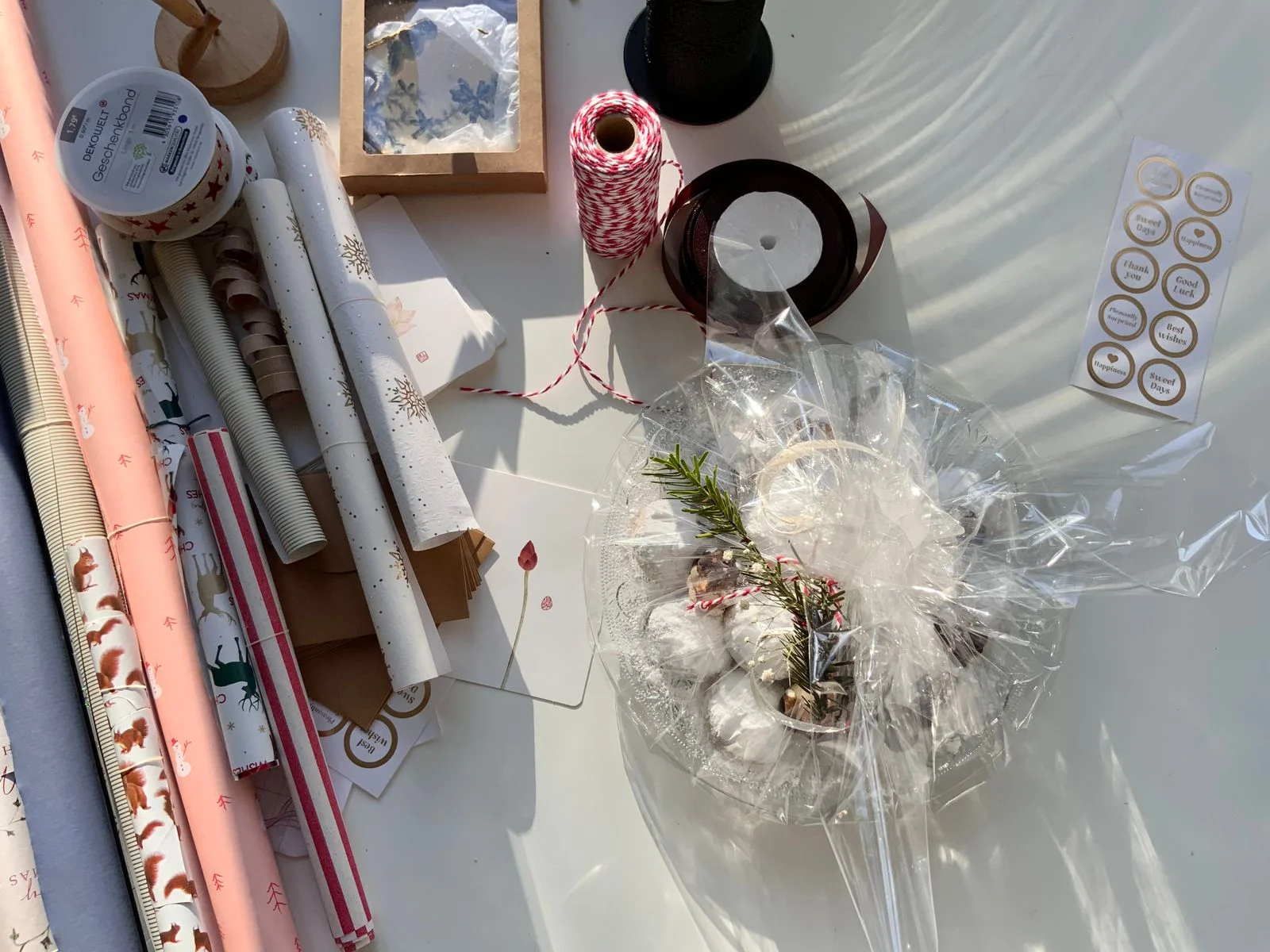
Include tape, tags and any protective packaging you actually need. Decorative ribbon is optional unless it serves a practical purpose in the chosen wrapping. Buying an entire matching range can cost more than the gifts’ presentation requires.
Use existing clean materials where they suit the task. Keep useful offcuts together so they can cover small items instead of being lost between occasions. Do not save damaged materials that will make the next wrapping session harder.
If paper recyclability matters to you, check its material and your local collection guidance. A paper-like appearance does not establish how coated, glittered or mixed-material wrapping should be handled.
Buy for the likely occasions
A neutral colour or pattern can cover several events and reduce partly used seasonal rolls. Choose a quantity you can store without crushing or damp damage.
The lowest unit price is only useful when the material gets used. A smaller roll at a higher price per square metre may still cost less for a few gifts, particularly if the larger roll would remain in storage for years.