Separate the item from getting it there
Write down whether the gift will be handed over, delivered directly to the recipient or sent to you for wrapping first. Each route has different costs. Ordering to yourself and then posting the present onward can mean paying for two deliveries, plus a suitable outer box and protective materials.
Use the recipient's destination when checking charges. A headline free-delivery offer may have a minimum spend or location restrictions. If the gift needs to arrive by a particular day, include the appropriate available service rather than budgeting with a slower option you will not use.
Reserve the extras first
In a hypothetical £30 budget, allowing £4 for delivery and £3 for a card and wrapping leaves £23 for the present. A £25 item would make the total £32, even though its price is below the overall budget. You can change the wrapping plan or choose another delivery route, but keep those changes explicit.
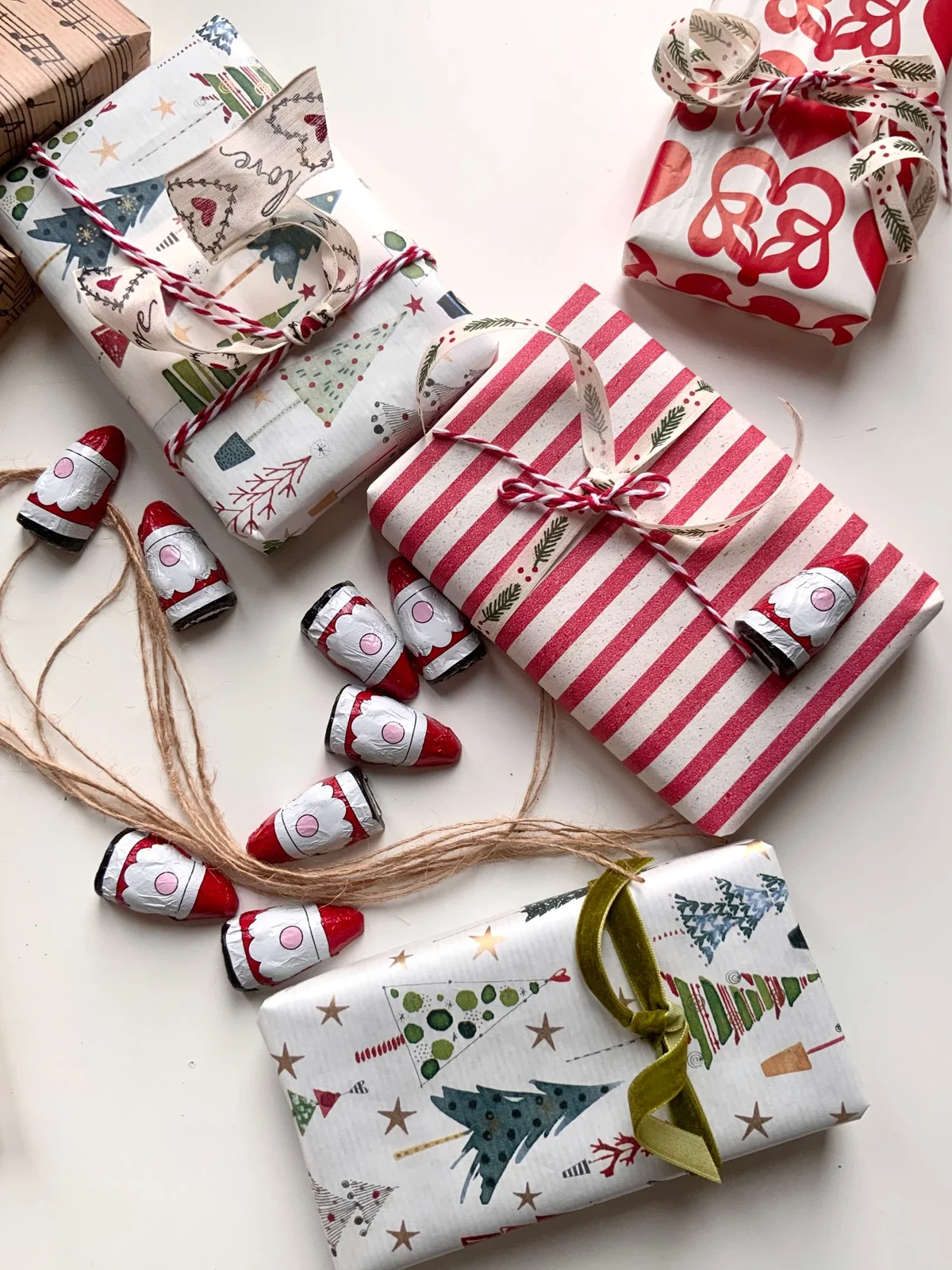
Check what you already have. A clean gift bag, suitable paper or an unused card can reduce the amount you need to buy without reducing the attention given to the gift. Do not add branded gift packaging automatically if your existing supplies suit the occasion.
Compare finished options
A gift service that includes wrapping and direct delivery may be cheaper than a lower-priced item requiring separate arrangements. Compare the complete cost and check whether a message is included. If ordering several gifts, confirm whether each recipient creates a separate delivery charge.
Keep a small allowance for a genuine uncertainty if needed, rather than spending the full limit on the item and treating every extra as unavoidable. Once the present is selected, stop browsing optional additions unless something necessary is missing. A clear total makes it easier to choose a thoughtful gift without the final checkout turning into a surprise.