Give the gift a clear purpose
Think of something the person regularly uses, an interest they have mentioned or a small item that fits their routine. A notebook in a format they like, a particular food they enjoy or an accessory for an existing hobby can provide a clearer brief than browsing every product labelled gifts.
Check relevant details before purchase, such as dimensions, compatibility or ingredients. A small budget is not a reason to guess about a hobby tool's fit or a food recipient's preferences. If you are uncertain, choose a simpler option that does not depend on information you do not have.
Check the quantity and presentation of small items carefully. A product photograph may show a group while the listing sells one piece, or a food image may include serving props. Knowing what actually arrives helps you choose a complete small gift without discovering that an essential part must be bought separately.
Keep the checkout within the limit
In a hypothetical example, a £15 gift with £3 delivery costs £18. Adding an unwanted £7 item to qualify for free delivery raises the total to £22. The delivery fee disappears, but the purchase is no longer within a £20 complete-gift budget.
Check whether collection or a different seller offers a genuinely lower total, including any travel needed. Avoid spending more time and money chasing a tiny saving than the gift warrants. If wrapping and a card are included in the limit, reserve that amount before selecting the item.
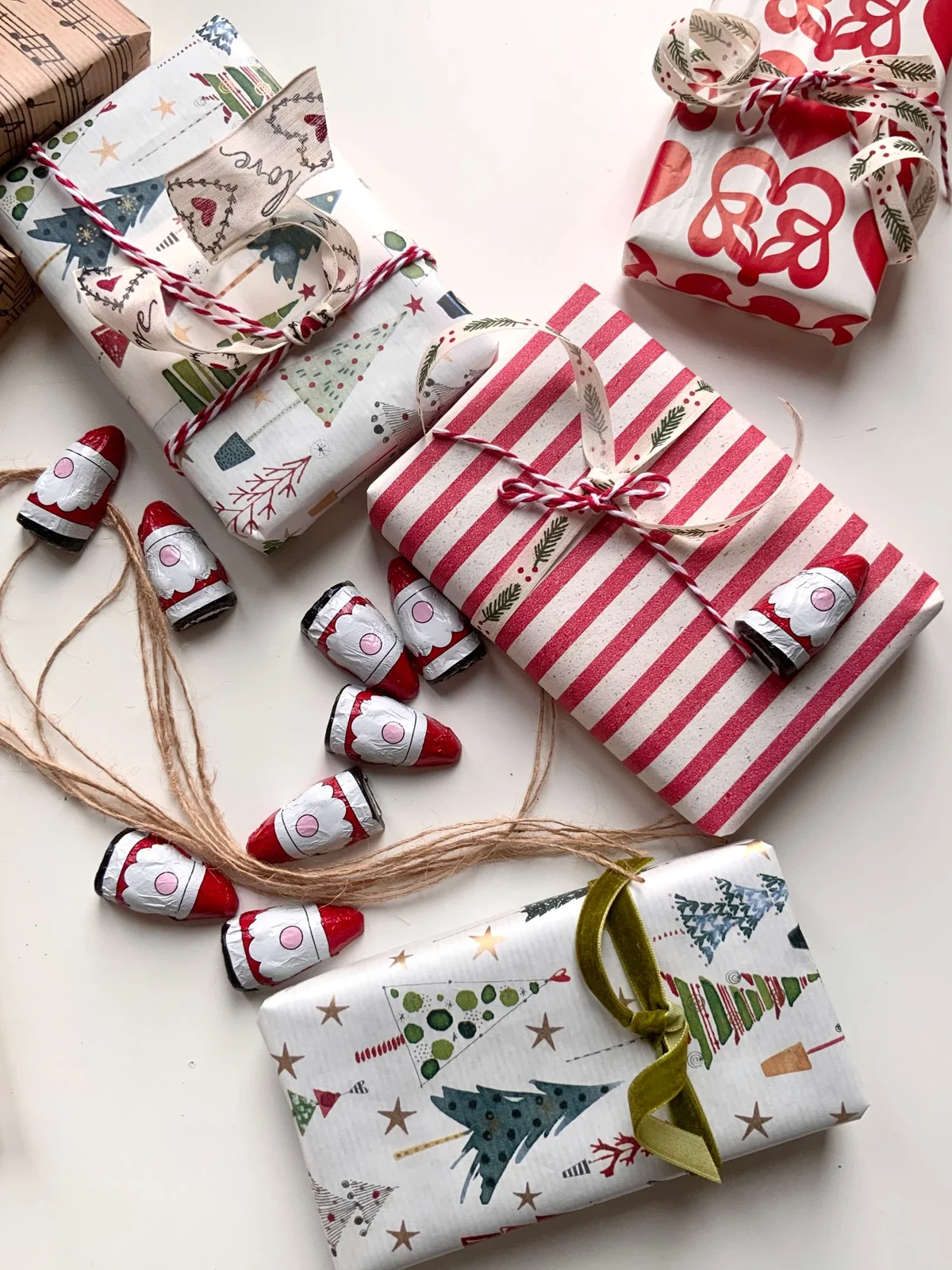
Use a short message to make the present personal rather than adding filler items. Reuse suitable wrapping supplies you already have, and check whether the retailer offers a gift receipt without extra decorative packaging. Once the gift meets the brief and fits the total, the purchase is complete. A price ceiling is a limit to work within, not a target that requires spending every remaining pound on something else.