Build around a use
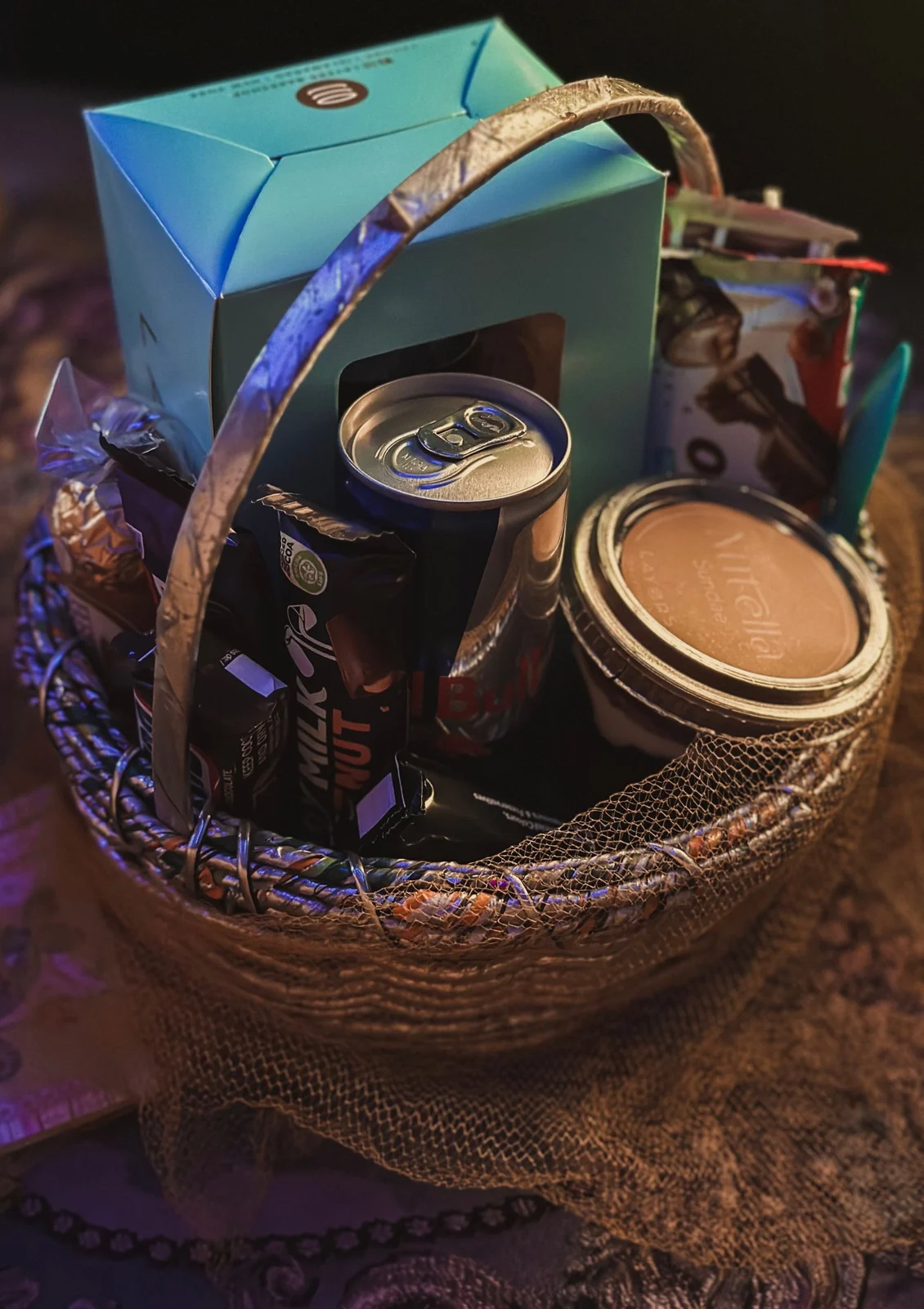
Breakfast, an afternoon tea or a savoury snack selection gives the hamper a clear purpose. Choose a few items that belong together instead of adding products only to fill space. Check dietary preferences and the labels of every item; a broad theme such as ‘vegan treats’ is not a substitute for ingredient information.
Use sealed products with readable labels and follow their storage instructions. Keep allergens, dates and preparation information available to the recipient. Avoid removing the original packaging just to make the hamper look more uniform.
Spend on the contents first
In an illustrative £25 budget, you might reserve £4 for a sturdy box and simple presentation, leaving £21 for the food. If the container costs £12, you have made a different decision: almost half the gift is now packaging. That can be intentional, but it should be visible.
Compare small quantities the recipient will enjoy with larger packs that merely make the basket look generous. A favourite tea and two compatible treats may be more useful than several unfamiliar jars bought to meet an arbitrary item count.
Check the size and weight before buying the container. Reuse a clean, suitable box where possible, and separate glass items so they cannot knock together. Presentation should support safe transport, not conceal fragile contents.
Plan the handover
For a hamper you will deliver personally, consider the journey and the time before the recipient gets home. If any item requires temperature control, follow its instructions throughout; do not assume attractive wrapping changes those requirements.
Posting the hamper adds carrier restrictions, protective materials and postage to the total. Check the chosen carrier’s rules for the actual contents. When that becomes complicated, a smaller collection of shelf-stable products or direct delivery from a suitable retailer may fit the budget better.