Identify how you are buying
Buying in a shop and placing a qualifying online order are not the same return situation. For an in-person purchase that is simply the wrong size or no longer wanted, the retailer’s voluntary policy matters. For ordinary online clothing purchases, cancellation rights can apply even when the item is not faulty, subject to relevant exceptions.
GOV.UK explains that sale purchases retain the same refund rights as full-price purchases. A sale label does not itself remove those rights. For most qualifying online orders, you normally notify cancellation within 14 days of receipt and then have another 14 days to send the item back. Check the linked guidance and the circumstances of your purchase rather than assuming every product is covered identically.
Personalised goods and certain sealed hygiene-sensitive items can involve exceptions. Read the relevant conditions before removing a seal or ordering customisation. A broad ‘sale items’ heading should not be used to blur those separate questions.
Find the return route you would actually use
Check whether online orders can be returned in a shop, by post, through a parcel point or by collection. A retailer may offer several methods with different costs and conditions. Confirm whether the convenient route applies to your order and selected items.
Look for any return postage charge and how it is collected. A deduction from the refund is still a cost even though you do not pay it at the parcel counter. If using your own postage is allowed, compare the required service and any suitable cover as well.
Check whether marketplace or concession items have separate instructions. A familiar retail website does not necessarily mean every product shares one return address. Ordering several sizes from different sellers can create more than one parcel to organise.
Budget for the outcome you are considering
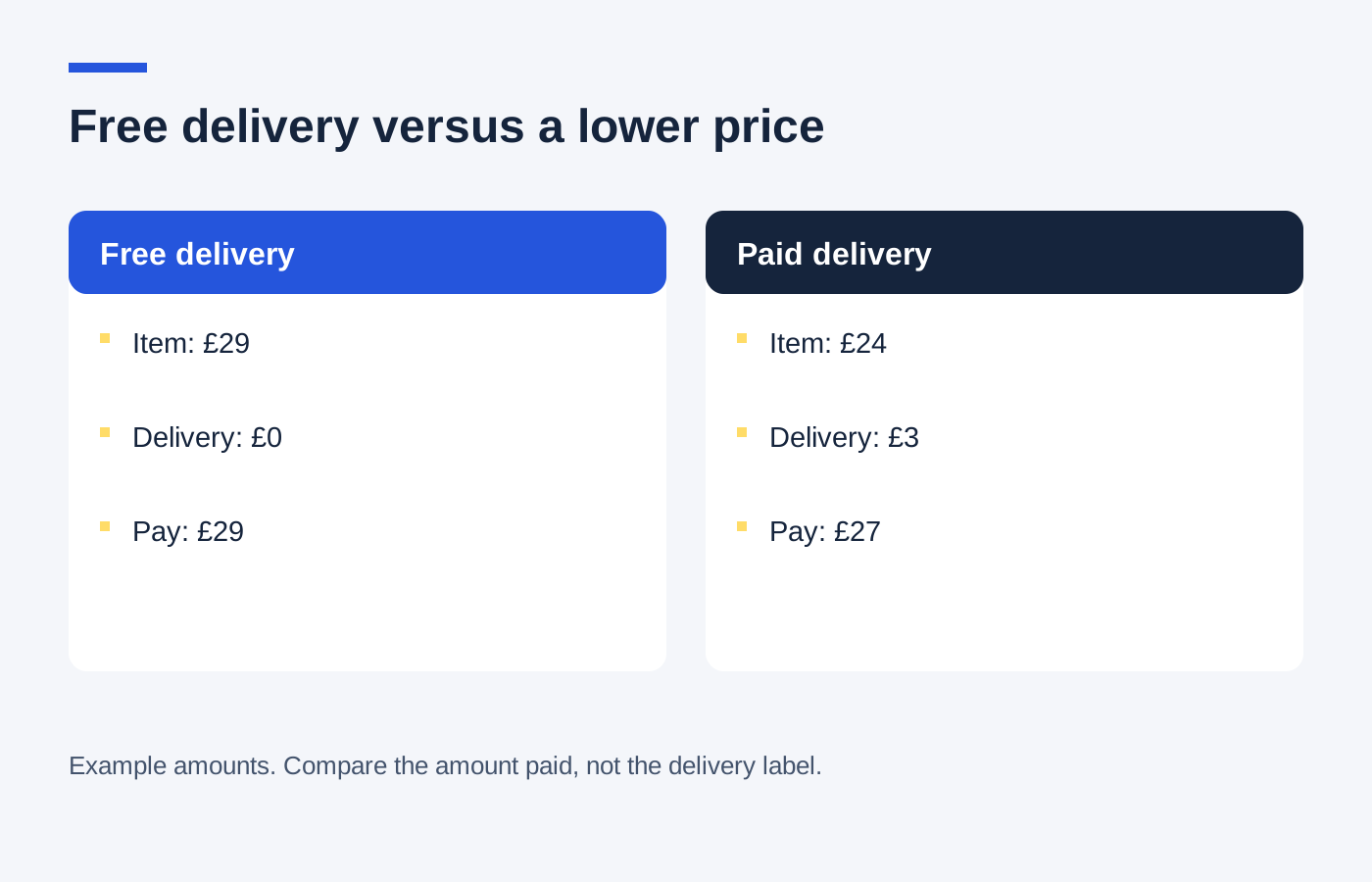
Suppose two suitable-looking coats cost £50 and £54 at different shops. If the first would cost £5 to return and the second has a convenient no-charge return route under its stated policy, the lower purchase price may be less appealing when fit is uncertain. Keep this as a possible return cost, not a guaranteed addition if you retain the coat.
If you order several alternatives, make sure the total payment is affordable while any return is processed. Do not treat an expected refund as already available money. Record which item you intend to keep so a time limit is not missed while several parcels sit unopened.
Read how a discount is allocated across the basket. Returning part of a promotional order can affect the amount refunded according to the applicable terms and rights. Save the original item prices and reductions rather than relying on a single overall percentage.
Try on and decide promptly
Inspect the clothes after delivery and try them in a way appropriate to assessing fit. Keep labels, packaging and any accessories together while deciding. Wearing an item out and then changing your mind is different from checking it as you could in a shop.
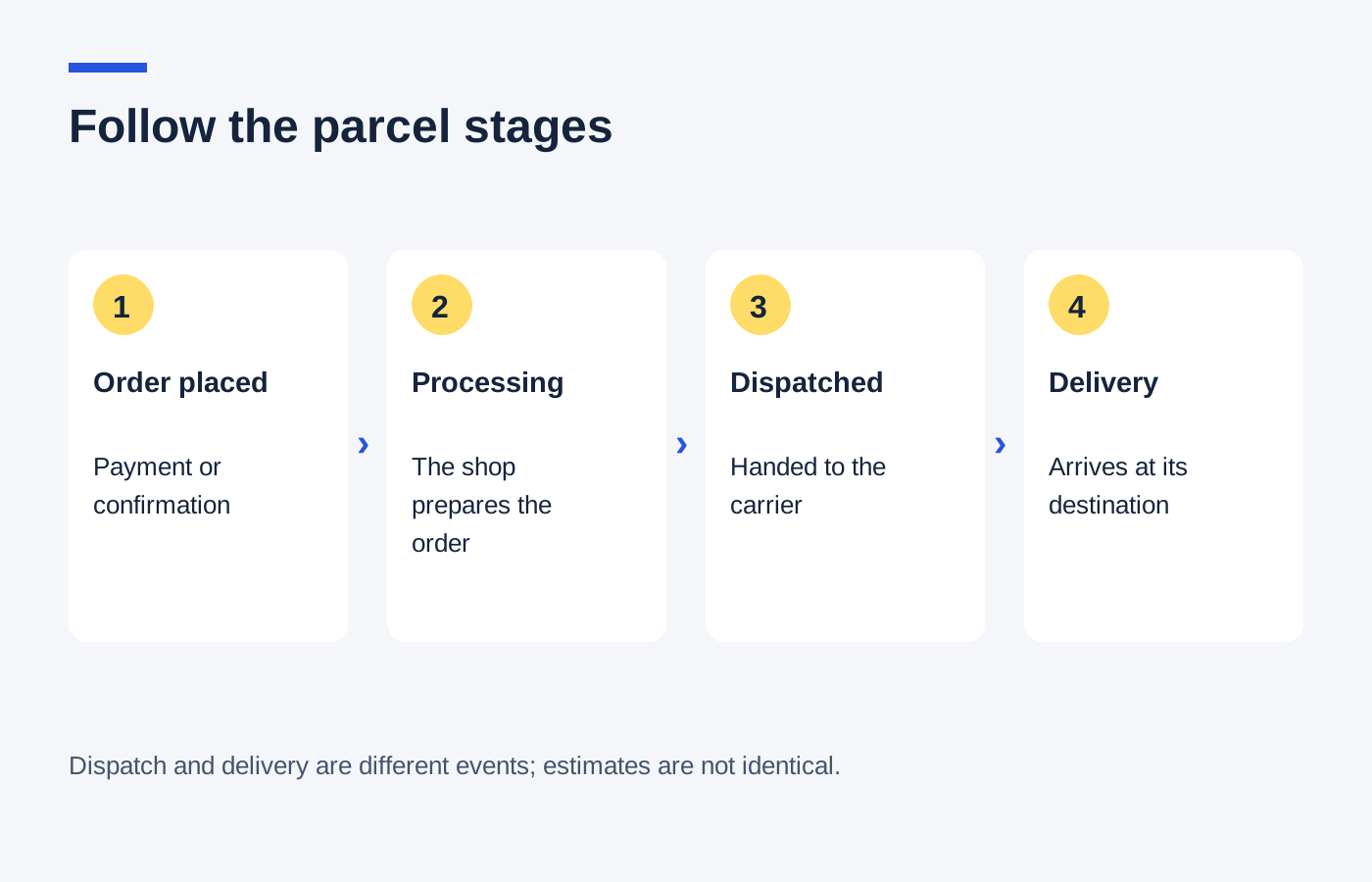
Note the relevant notification and dispatch dates separately. If returning, follow the process applicable to the order and retain proof of the parcel handover. An extra seasonal return promise may have its own rules; do not substitute an assumed longer period for the actual one.
If the garment is faulty or not as described, explain that problem clearly instead of selecting a generic size-change reason for convenience. The issue should be considered on its actual facts, including the rights described in the official guidance.