Check the front and the back
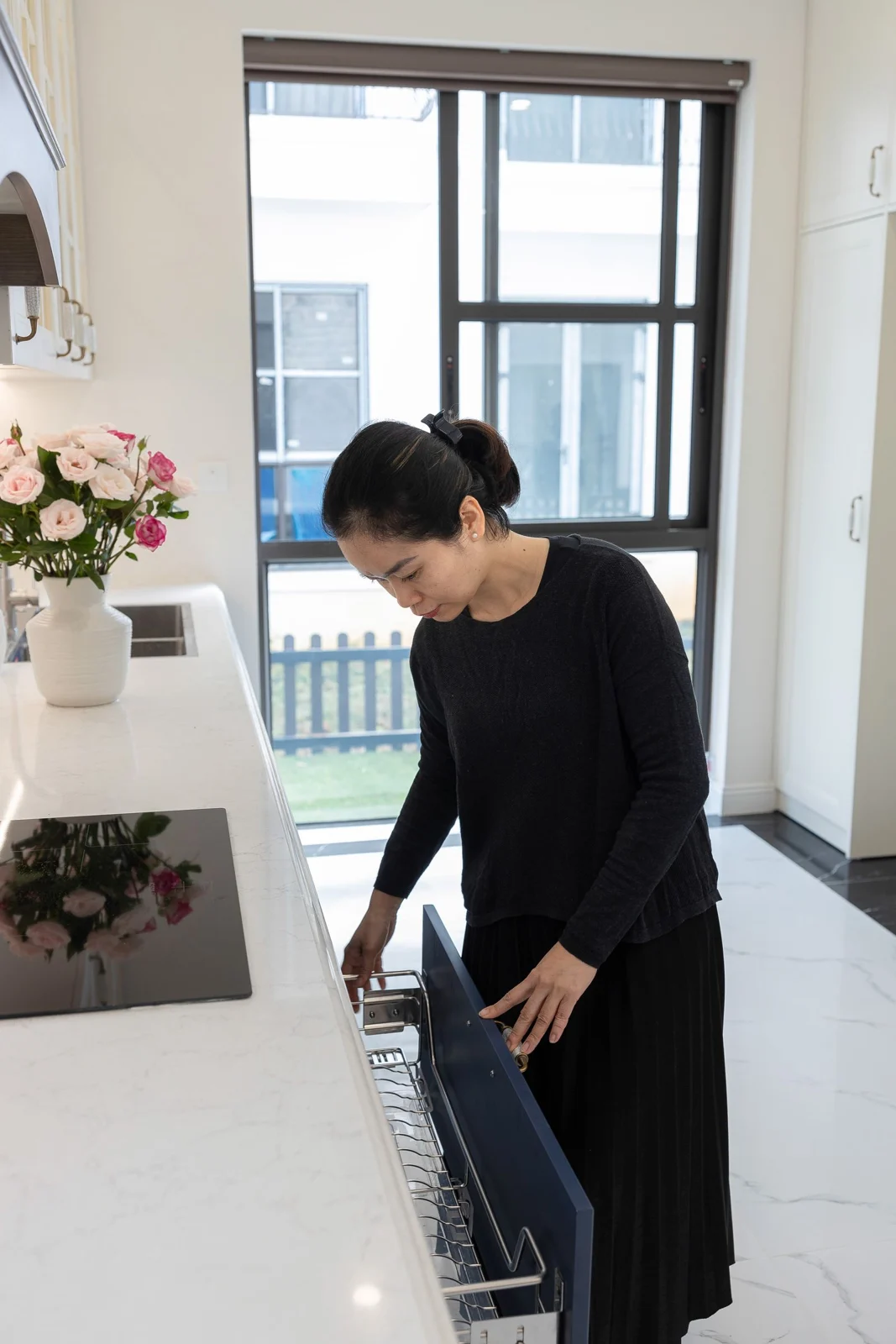
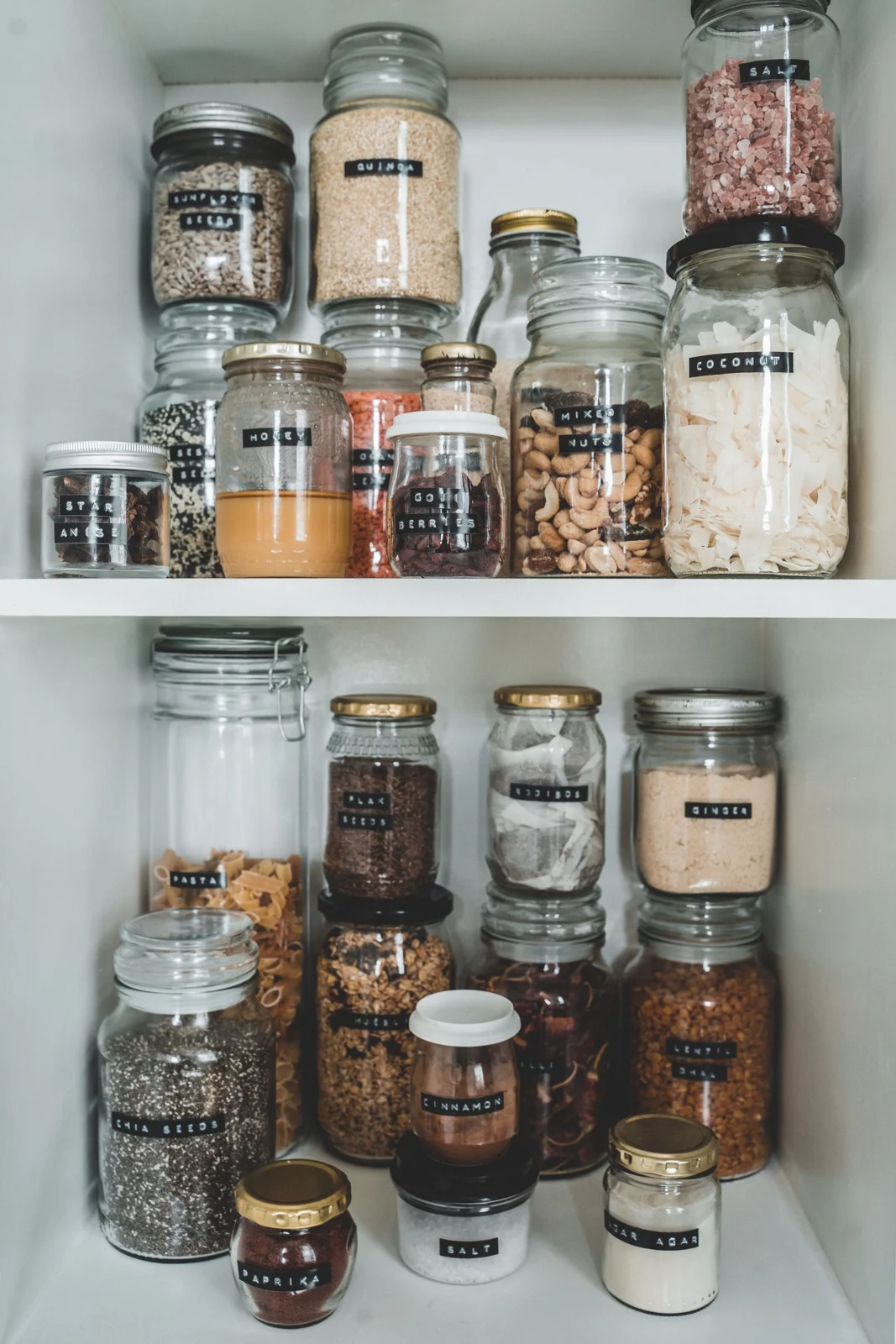
Bring existing stock into view without mixing products or removing essential labels. Count unopened packs and estimate what is left in open ones. Look for items hidden behind larger boxes, and note any relevant dates or storage instructions. A shopping list based only on what is visible at the front can duplicate a surprising amount.
Group the list by use: items needed now, familiar items worth keeping as a spare, and things that can wait. Keep food, household chemicals and other categories in appropriate separate storage. An empty space is not automatically suitable for every product just because the container fits.
Set a physical limit
Measure the shelf opening, depth and height if you are considering a much larger pack. Remember that a heavy bottle must be lifted out and used, not simply stored upright. A box that fits only behind several others can make it difficult to rotate stock or see when supplies are running low.
Assign a maximum quantity to each regular purchase based on available space and your rate of use. This can be as simple as one open pack and one spare for selected items. The right limit varies by household, so avoid adopting a bulk-shopping list designed for someone with a different family size or utility room.
Use delivery as a planning constraint
Check when the restock will arrive and whether there is time to put it away properly. If several bulky orders are due together, stagger them where practical rather than leaving packaging in a hallway. Include delivery charges when comparing a single combined order with smaller purchases.
After unpacking, put suitable older stock where it will be used first and update the list. Record quantities rather than just ticking bought: a three-pack and a single bottle create different next-purchase dates. The aim is a cupboard you can understand at a glance, with enough reserve to avoid inconvenience and enough space to use what you already own.