Review real days, not an imagined lifestyle
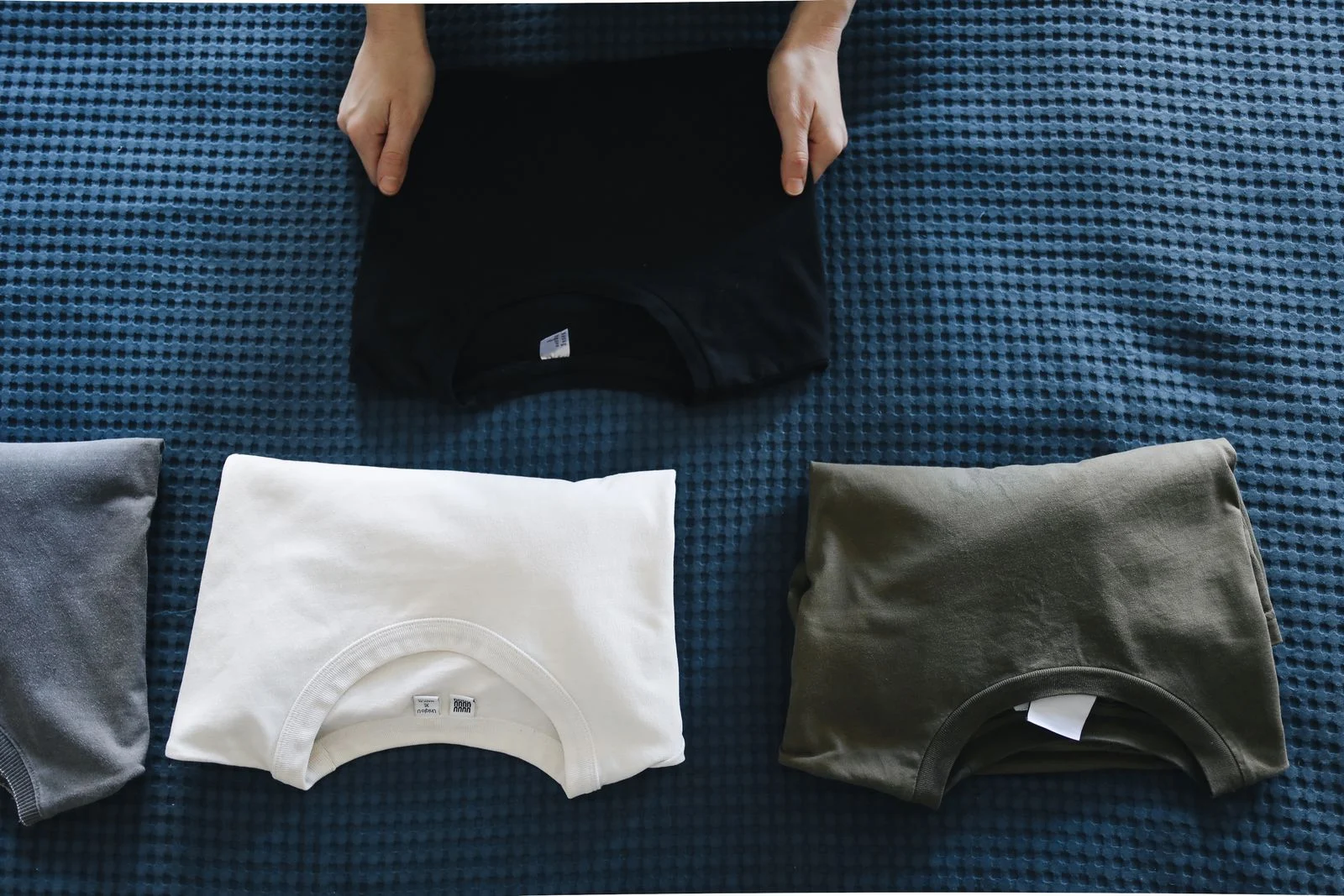
Look back over a typical fortnight and note what you wore for work, home, travel and any regular activities. Include laundry needs and weather, because an outfit that only works while every item is clean may not provide enough flexibility. Keep occasional formalwear separate from the pieces that carry most of the week.
Try on the clothes in regular use and note what no longer fits or is no longer in usable condition. Set aside items needing a simple repair or adjustment before classifying them as replacement purchases. A missing button and an unsuitable cut are different problems, and only one necessarily needs a new garment.
Write gaps as jobs for clothes
Instead of writing new trousers, describe the requirement: trousers that work with two existing tops, fit under the coat you wear and suit the shoes used for commuting. This gives you concrete criteria when a sale page presents dozens of tempting options. The list can be short because it represents gaps rather than every category in a wardrobe checklist.
Photograph or write down several combinations from what you already own. If a candidate garment completes more than one useful outfit, note which ones. Do not claim that every item must match everything; some clothes have a specific role. The question is whether that role already exists in your life and whether another garment already fills it.
Colour can help simplify combinations, but fit, fabric weight and formality also matter. Two navy items may still feel wrong together if one belongs to a suit and the other is casual sportswear. Compare the proposed purchase with the actual pieces it will accompany rather than relying on a colour swatch alone.
Set a purchase order and limit
Rank gaps by how often they cause difficulty. Replacing a frequently worn pair of trousers may matter more than buying a third jacket. Give each planned purchase a maximum total that includes delivery and any necessary alteration. Leave some budget unallocated if you are unsure which item will be hardest to find.
Treat discounted duplicates carefully. A second version of a shirt you wear repeatedly may help with laundry rotation, while another similar shirt in an awkward colour may add little. Compare the need for a spare with the current condition and quantity of what you own before interpreting a two-for-one offer as automatic value.
Test an offer against the list
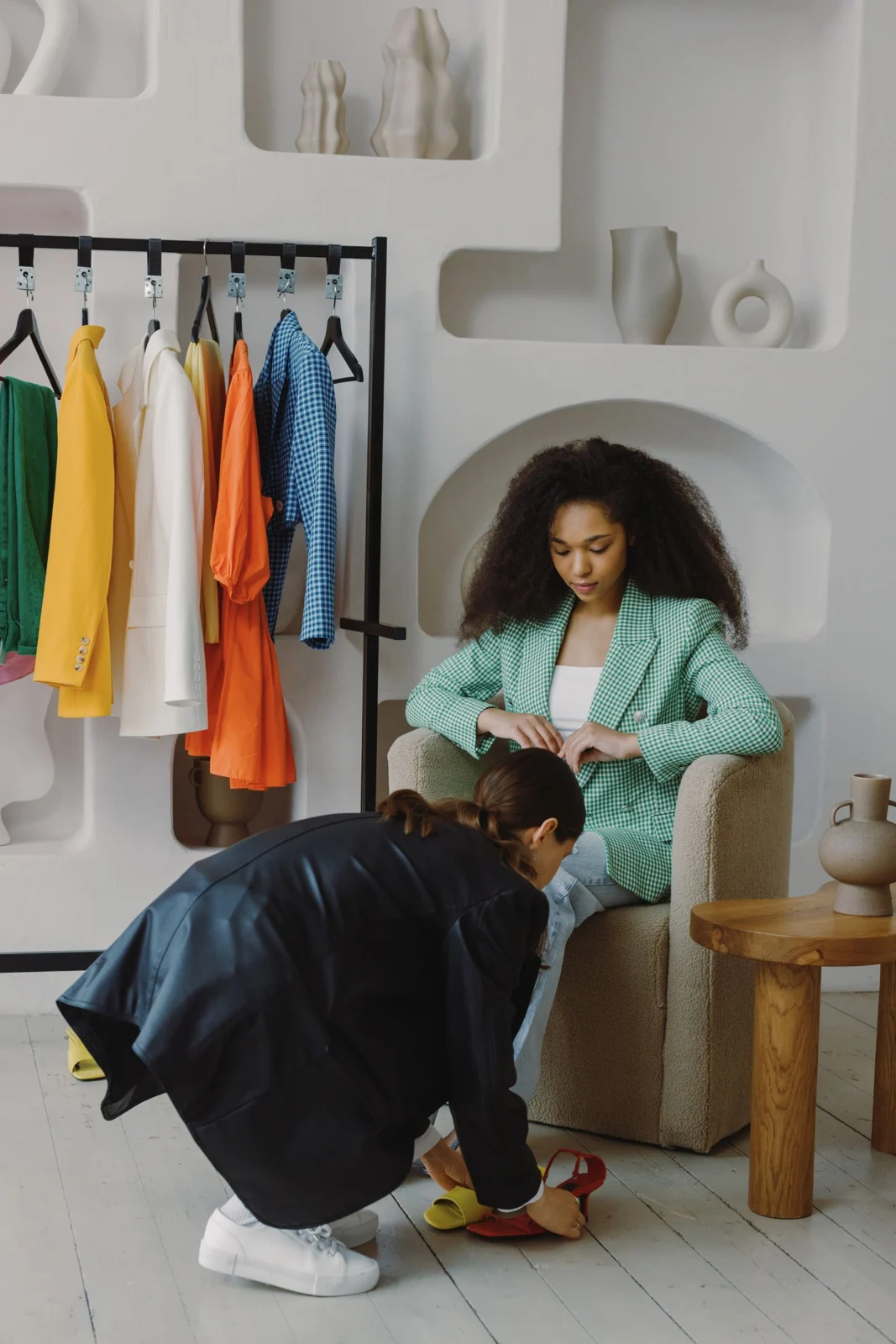
For each candidate, check fit, composition, care and compatibility with the outfits you identified. If a purchase requires new shoes, a new bag and a different jacket, add those costs or reconsider the item. An apparent saving on one garment can become a much larger unplanned project.
Do not force a strict cost-per-wear figure from imagined years of use. You can still ask whether the item is likely to be worn weekly, occasionally or only once. That broad distinction often provides enough guidance without presenting a precise forecast that depends on future habits you cannot know.
Leave room for an unsuccessful search
A sale does not have to produce a purchase. If the available sizes, fabrics or colours do not meet the brief, keep the gap on the list. Spending less on an unsuitable substitute can delay the item you actually need while leaving the original problem unresolved.
After a successful purchase, try the planned combinations before discarding packaging or labels, following the seller's conditions. Update the list once the garment has earned its place. Over time, the record of what gets worn gives you a more useful buying guide than a universal capsule formula.