Read the percentages, then the garment
A blend containing a small proportion of a named fibre is not the same purchase as a garment made mostly from it. Look at every percentage and check whether separate trims or panels have different compositions. This does not mean one blend is automatically better; it means the comparison should reflect what is actually supplied.
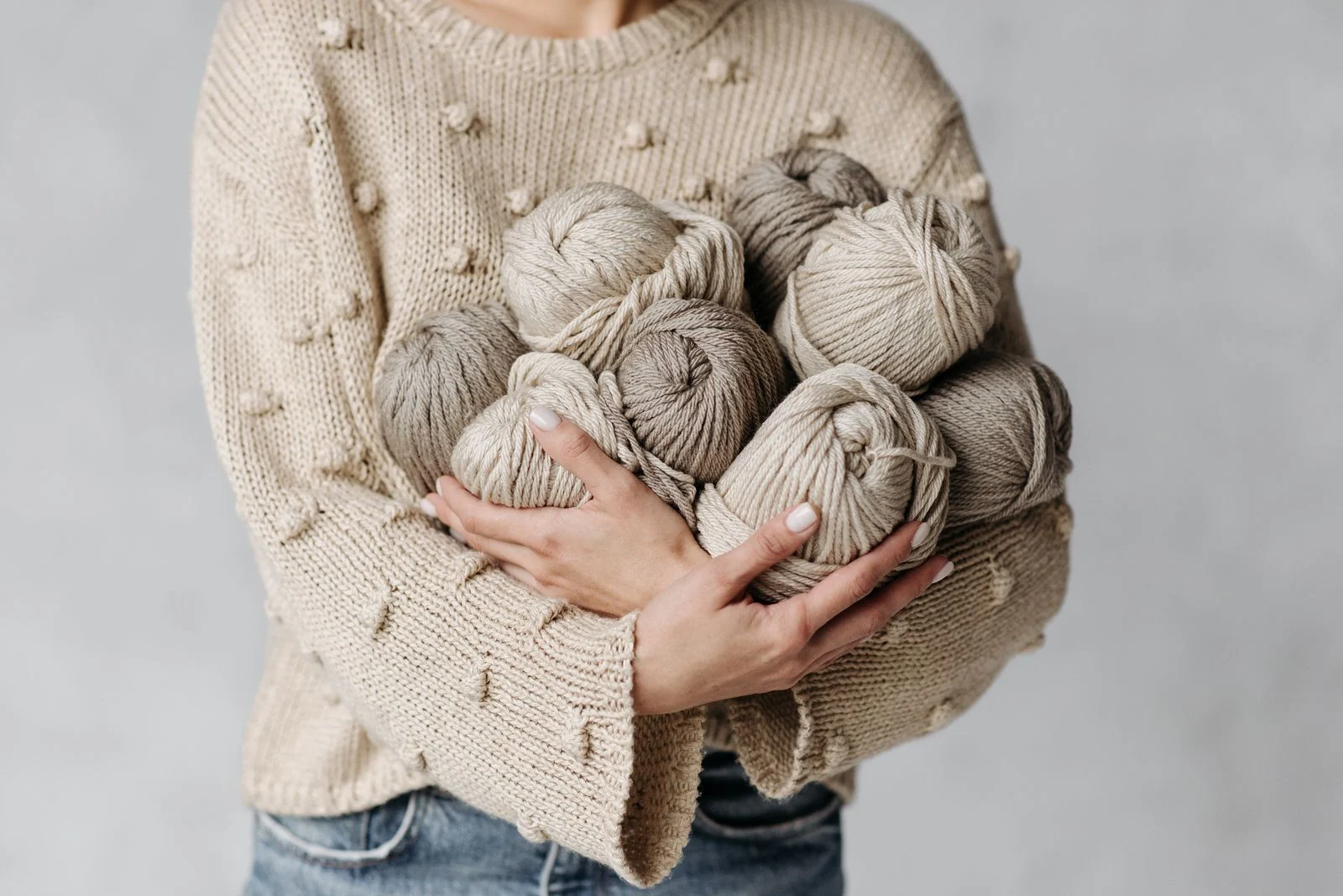
Fibre content alone cannot tell you the weight, softness or structure of the finished knit. A fine, close knit and an open, bulky knit can feel and wear differently even with similar composition. Look for a fabric close-up and a description of the garment weight, then consider whether you want it under a jacket or as an outer layer.
Avoid treating a premium fibre term as proof that a jumper will never pill or lose shape. Construction and use matter, and marketing descriptions rarely establish the complete lifespan. Reviews can help identify questions about a particular garment, but separate specific observations from broad claims that every product made from the same fibre behaves identically.
Check fit without stretching the comparison
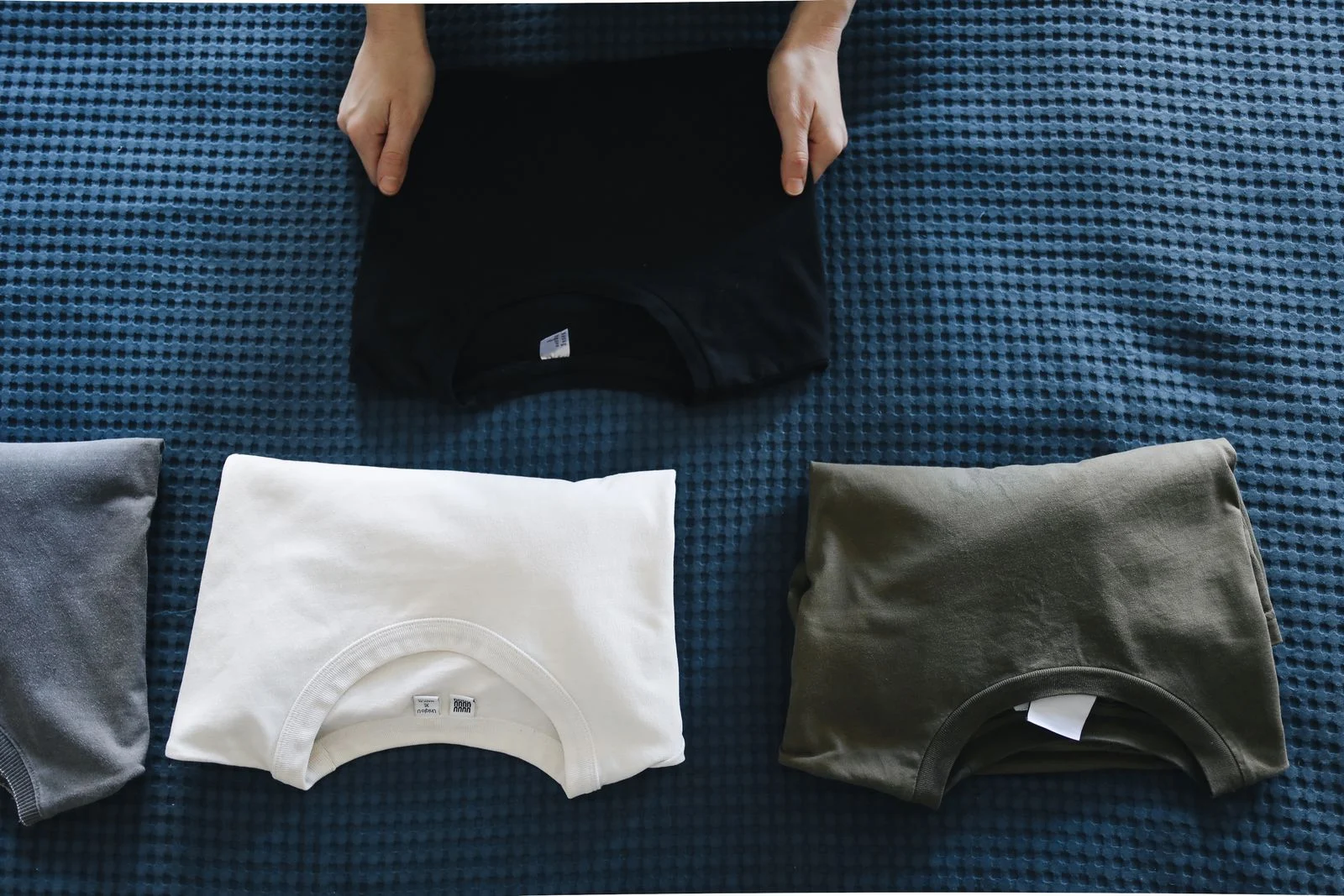
Measure a similar jumper you like, laid flat and unstretched. Record body width, length, sleeve length and the position of the shoulder seam. Compare those measurements with finished-garment measurements if the retailer provides them. If it supplies body measurements instead, use that guide rather than assuming the numbers describe the knitted fabric itself.
Consider what will sit underneath. A close-fitting fine knit and a relaxed jumper may be intended to allow different amounts of room. Buying a larger size to obtain extra length can also change the shoulders and sleeves. If the last sale size only works in one measurement, it may not be the right shape for you.
Price the care routine honestly
Read the care label for washing, drying and ironing restrictions. Machine-washable, hand-wash and specialist-clean instructions describe different routines. Do not assume that a wool cycle makes a machine suitable for every garment labelled hand-wash, or that all items sharing a fibre can be cleaned together. Follow the actual garment label.
Ask whether you have space to dry the item as instructed. A household without a suitable flat drying area may find several bulky knits inconvenient to wash at once. If specialist cleaning is needed, obtain a local price and think about your likely use rather than treating cleaning as an invisible future expense.
For a hypothetical example, a £36 jumper needing two £9 cleaning visits over your chosen period would cost £54 before any other care expense. A £48 alternative cared for at home has its own washing costs, but the sale purchase is not automatically cheaper simply because its ticket price is £12 lower. The point is to compare realistic routines, not to predict exactly how often every jumper needs cleaning.
Look for signs that matter on delivery
Before wearing or washing, inspect seams, cuffs, neckline and any visible snagging. Check that the composition and care label match the listing you used. A loose decorative knit may look different from a close product photograph, so examine the whole garment as well as the detail.
Keep a note of the range, size and fabric of knitwear you enjoy wearing. That gives you a better reference for the next sale than a general rule about buying one fibre or avoiding another. Choose the garment whose fit and care requirements match your wardrobe, and let the discount improve that purchase rather than define it.