Match the coffee to the method
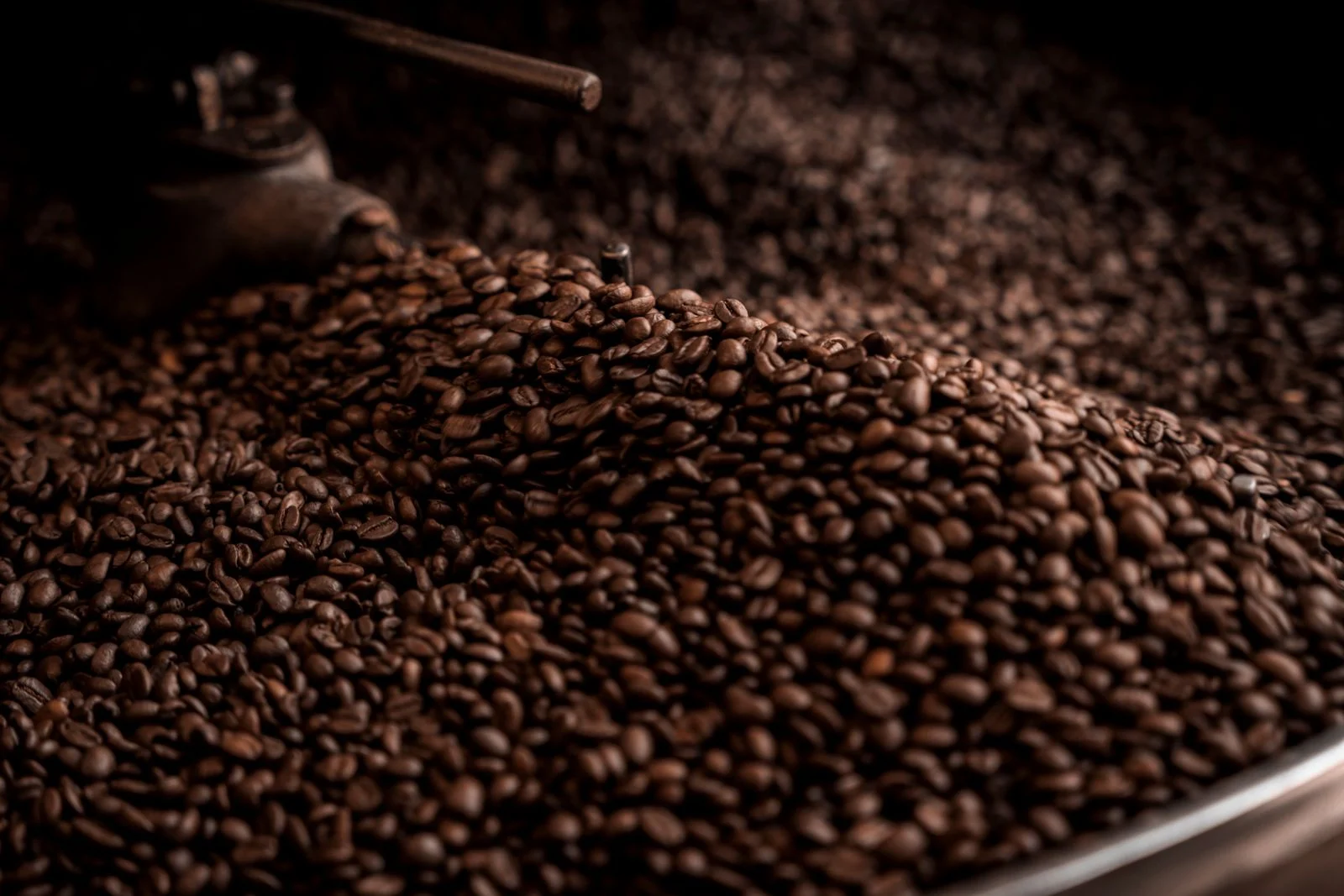
For beans, confirm that you have a suitable grinder or a machine that grinds them. For pre-ground coffee, look at the stated brewing use and grind description. A bargain pack that does not suit your equipment can mean an additional purchase or results you do not enjoy, neither of which appears in the shelf price.
For capsules or pods, read the exact machine-system compatibility. Similar-looking shapes and references to the same broad brand family are not enough. Check whether the box contains regular, decaffeinated or mixed flavours, and whether the advertised drink count requires more than one capsule for some drinks.
Choose a consistent comparison unit
Price per 100g works for comparing similar bags, while price per compatible capsule is clearer for a capsule system. To estimate the ingredient cost of a brewed cup, use your actual coffee quantity rather than an assumed universal serving. A hypothetical £6 bag containing 250g gives roughly 16 full 15g portions, with some coffee left over; each 15g portion costs 36p.
That example excludes milk, energy, filters and equipment. It also does not establish that 15g is the correct amount for every method. Keep the assumptions visible and use the brewing instructions or your established recipe so that both products are compared on the same basis.
Buy an amount you will enjoy using
Consider how quickly the household finishes an opened pack and follow storage guidance. Several smaller sealed bags may suit occasional use better than one large bag, even at a higher weight price. A variety bundle has less value if it contains flavours or formats nobody wants.
Check whether a lower price depends on repeat deliveries. If so, compare the subscription separately from a one-off purchase and read the timing and cancellation terms. A useful coffee offer fits your brewer, your preferred drink and your rate of use, without requiring another machine or a growing shelf of unopened bags.