Build a contents list
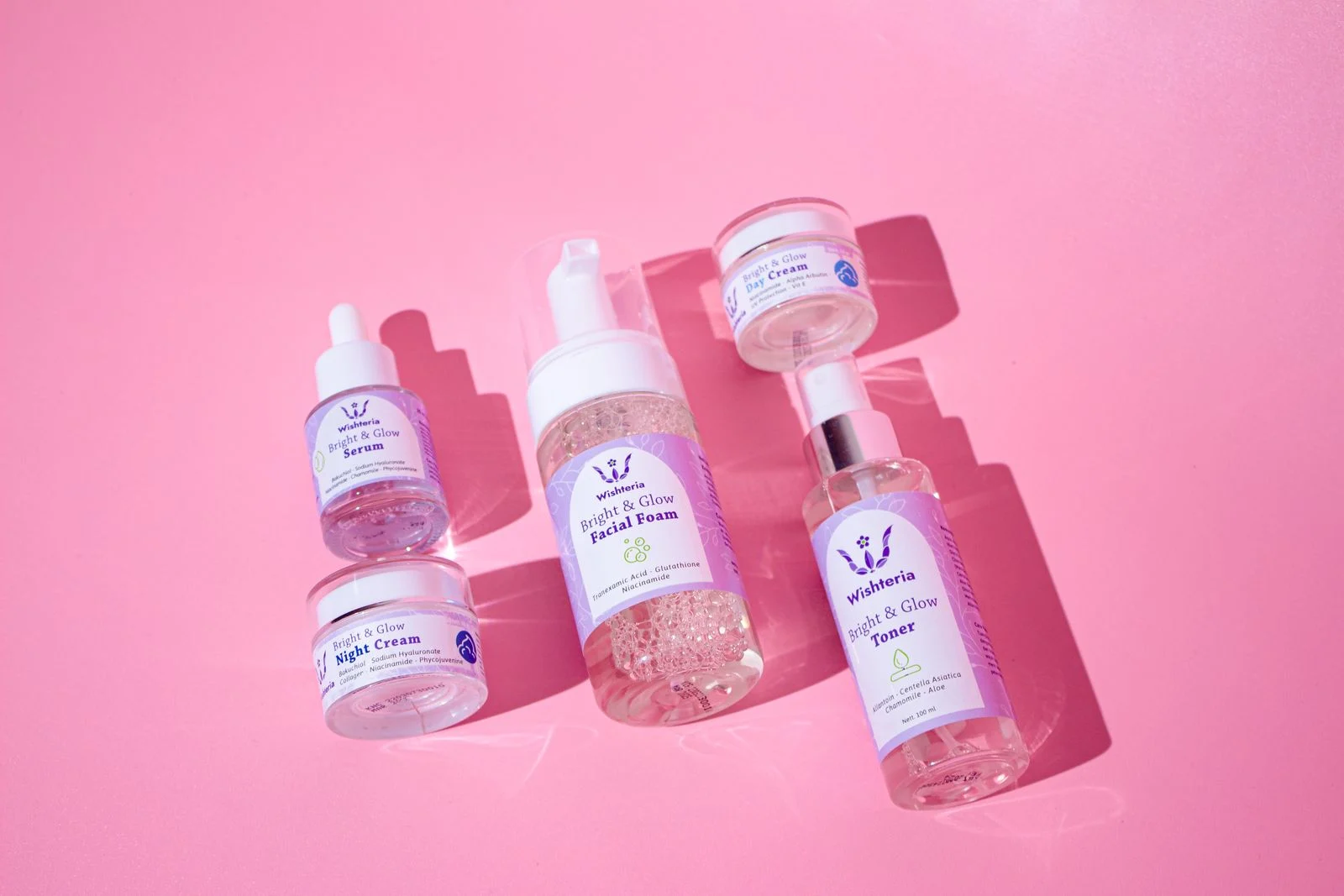
Write down every item and its exact volume or weight. Distinguish full-size products from miniatures and samples, and note whether the set contains duplicate products in different shades. A photograph can make a small bottle look substantial when there is no familiar object beside it.
Check whether each item is sold separately in that size. If a miniature is not sold on its own, a proportional value calculated from a larger bottle is only an estimate. Packaging, travel convenience and a gift box may have value to you, but they should not be confused with a directly comparable retail price.
Count the products that fit the person
For your own use, start with products you already use or have a clear reason to try. For a gift, consider the recipient's known preferences rather than assuming an expensive-looking set suits everyone. Shades, fragrance, texture and ingredients can make some contents unsuitable even when the brand is familiar.
Do not assign full value to an unwanted product simply because it could theoretically be given away. If there is a specific recipient who wants it, that may be useful; otherwise it remains an uncertain extra. The same applies to pouches, brushes and decorative packaging already duplicated at home.
Make a useful price comparison
In a hypothetical set costing £35, suppose two products you want would cost £14 and £16 separately, while the remaining items have no planned use. You are paying £5 more than the £30 cost of the wanted products. A claimed total value of £70 does not change that comparison. If a third product genuinely replaces a planned £10 purchase, the set may instead save £5.
Use the current price you would actually pay for the separate products, including relevant delivery, rather than a reference price you have no intention of paying. Check whether another offer applies to individual items or whether the set is excluded from a voucher. The final checkout totals are more informative than competing percentage-off banners.
Check condition and timing
Look for product information, storage instructions and any date or period-after-opening markings. A period-after-opening symbol concerns use after first opening; it is not a universal expiry date for an unopened box. Follow the instructions for the particular product and avoid opening several backups simply to examine them.
If the gift is for a later occasion, consider whether the person will use the products within the relevant guidance. Keep any batch and seller details with the order. Check the return conditions before opening sealed cosmetics, and do not assume an unwanted shade can be exchanged after use. A smaller set of suitable products is often a more thoughtful purchase than a larger box with an impressive stated value.