Map the meal onto the compartments
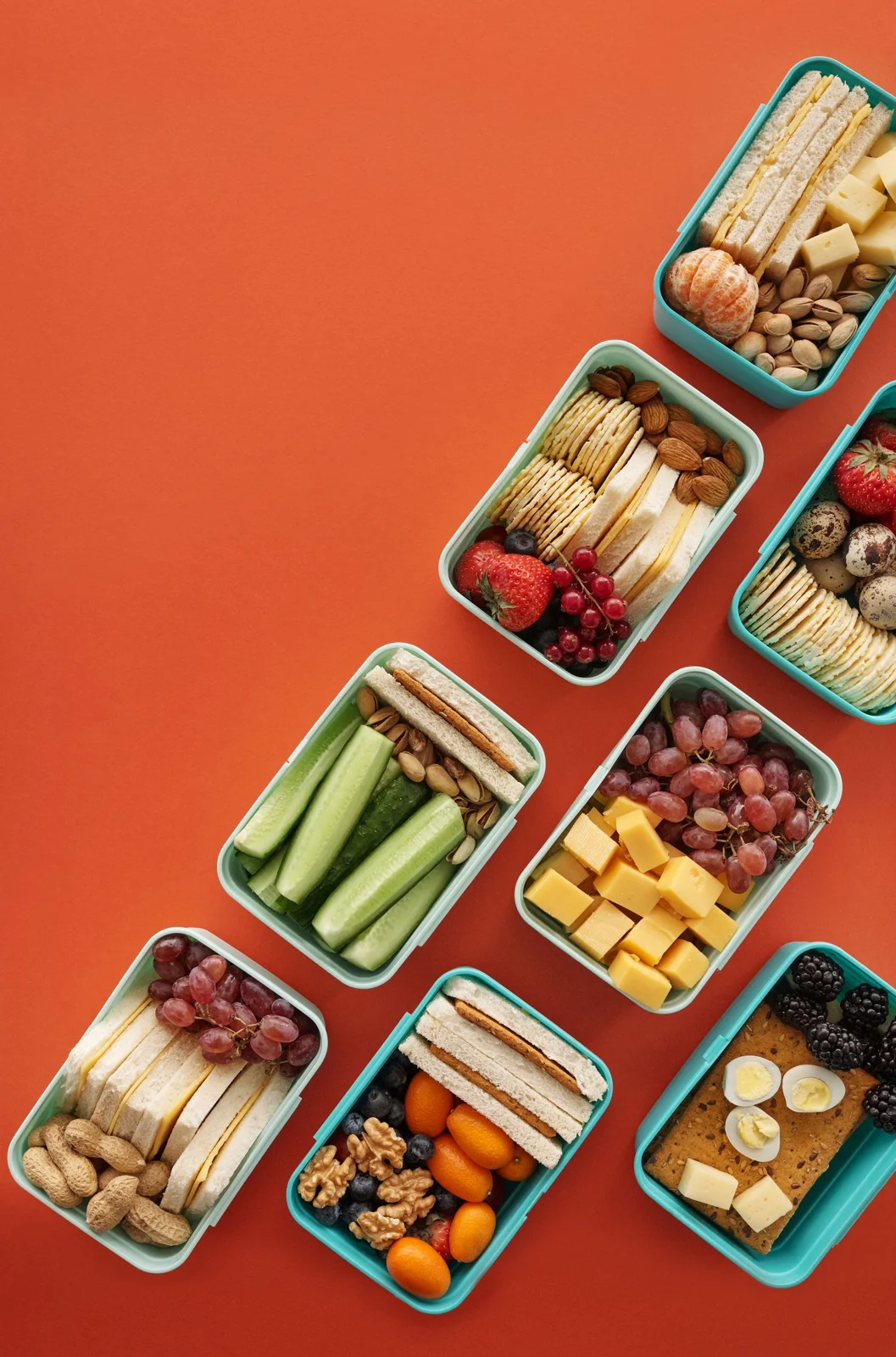
Compare the usable compartments with the shapes of the food you take. A tall pot may suit yoghurt but waste space beside a sandwich; a shallow divided tray may suit separate snacks but struggle with a substantial salad. Overall capacity does not tell you how that space is divided.
Check whether dividers are fixed, removable or adjustable. Look for specific information about liquid containment: a lid that seals the outside does not necessarily seal each compartment from its neighbour. If you carry dressing or another liquid, choose a container specifically intended for that use and follow its closure instructions.
Measure the outside dimensions, including clips and handles, against your work bag or insulated carrier. Leave room for cutlery and any cooling packs you need. A box that fits tightly on its own may not fit the complete lunch arrangement.
Plan for cooling and reheating separately
An ordinary food container does not keep a chilled meal cold by itself. The Food Standards Agency advises keeping foods that normally need refrigeration cool when taken outside, using cool bags or boxes and frozen ice packs. Plan appropriate chilled storage at your destination as well as for the journey.
Read the container's instructions before assuming it can go into a microwave. Check the base, lid, seal, clips and removable inserts individually, including any directions about removing or venting parts. Do not infer suitability simply from a plastic-looking finish.
If you need a separate bowl or plate for reheating, include that in your plan. A box can still be convenient for transport, but its price should not be compared as though it replaces every item used to prepare and eat the meal.
Look at the washing routine
Count the pieces that need cleaning and drying. Narrow channels, removable seals and several small pots may add work even when the overall box is compact. Read the care instructions for each component, including any dishwasher-rack restriction.
Check whether replacement seals, lids or clips are available for the model. A lost insert may be manageable; a broken fastening may prevent the main box from being used as intended. Current spare availability is useful to know, though it cannot guarantee future supply.
For daily use, decide whether one box can be cleaned and dried before the next morning or whether a second would help. Compare two suitable boxes with a multipack, rather than buying several shapes that only work for meals you rarely take.
Buy for the routine you can repeat
If possible, test the size against containers you already own before ordering. Pack a normal portion and note the space it occupies. That gives a better reference than guessing from litres or a photograph with unusually small pieces of food.
Add the cost of any required insulated bag, separate liquid pot or cutlery. The useful comparison is the complete arrangement that takes lunch from your fridge to the place you eat, with cleaning and storage you can manage afterwards.