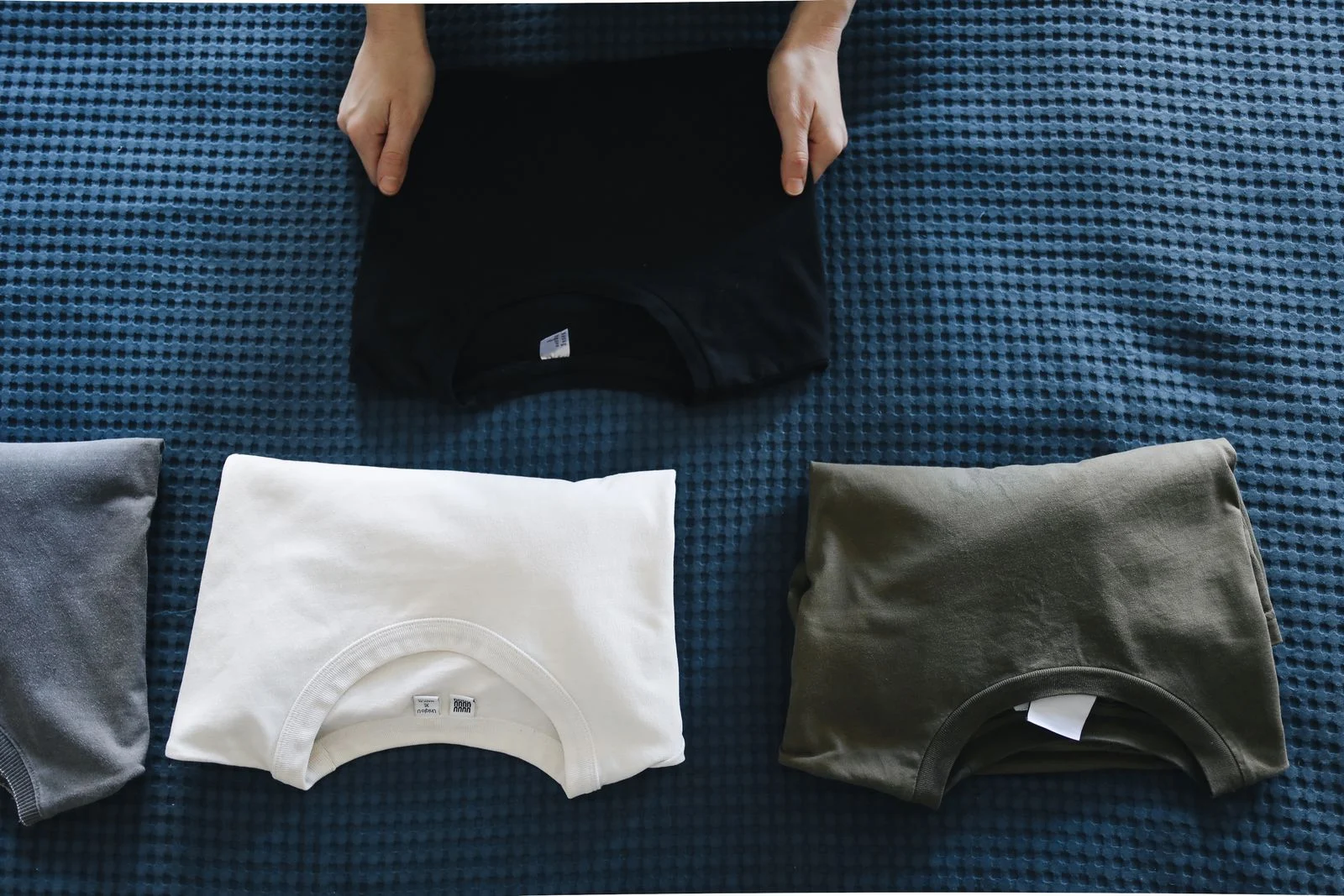
Translate the label into your home routine
Check the permitted washing method, drying method and ironing instructions. A garment that needs flat drying may be awkward in a home with little drying space, while one requiring specialist cleaning involves both a bill and a trip or collection arrangement. Do not assume a familiar fibre name overrides the care label for the finished garment.
Consider how often you expect to wear and clean it without inventing a fixed schedule for every item. An occasional jacket and an everyday work shirt create different care demands. Look at decorative trims, linings and fastenings that may make the garment more involved to maintain than its simple appearance suggests.
Use a realistic cost scenario
For a hypothetical comparison, a £30 sale garment plus three £8 cleaning visits totals £54 over the chosen period. A £45 alternative cared for at home still has washing costs, but its higher purchase price does not automatically mean a higher total. Use local quotes and your likely routine rather than presenting the example as a universal result.
Include alterations only when you know what work is needed and what it would cost. A repair or adjustment to a garment you already own may be another option. Compare the solutions to the same wardrobe need instead of treating every sale item as a reason to expand the wardrobe.
Choose care you will actually do
A bargain that repeatedly waits in a pile for a cleaning method you avoid is not earning its place. Be honest about the time, equipment and space available. If a product requires more attention than you want to give, choose something whose label supports your normal routine.
Keep care information accessible after removing shop tags, and check it again if the garment has multiple parts. Follow instructions for the complete item rather than guessing from the outer fabric. Buying fewer suitable pieces can make both the clothing budget and the laundry easier to manage.