Outline the rug before ordering
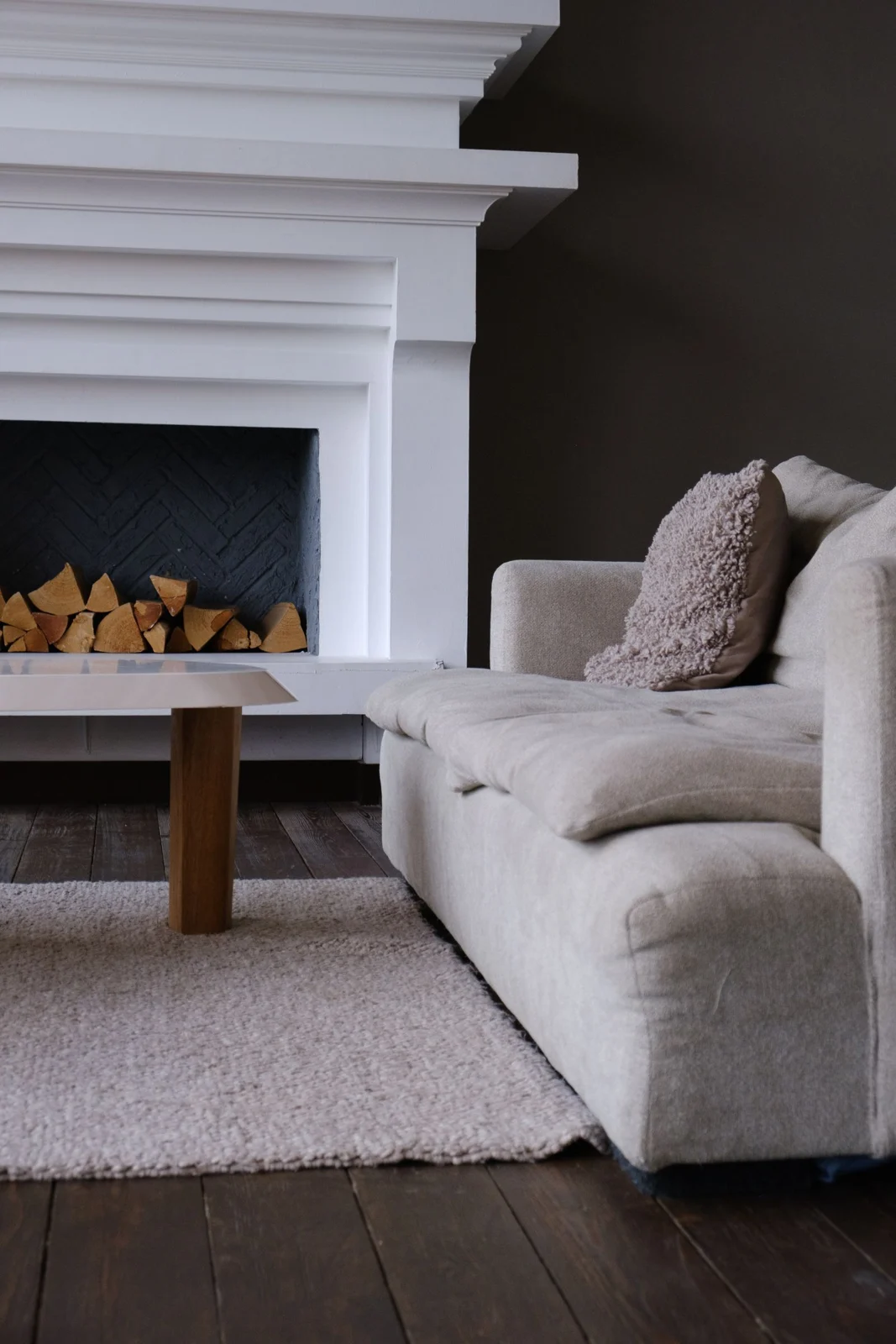
Use removable markers suitable for your flooring, or strips of paper, to outline the proposed dimensions. Include the actual furniture arrangement rather than an empty rectangle in the centre of the room. Check whether chairs can move as needed and whether the edge will fall in a busy walking route.
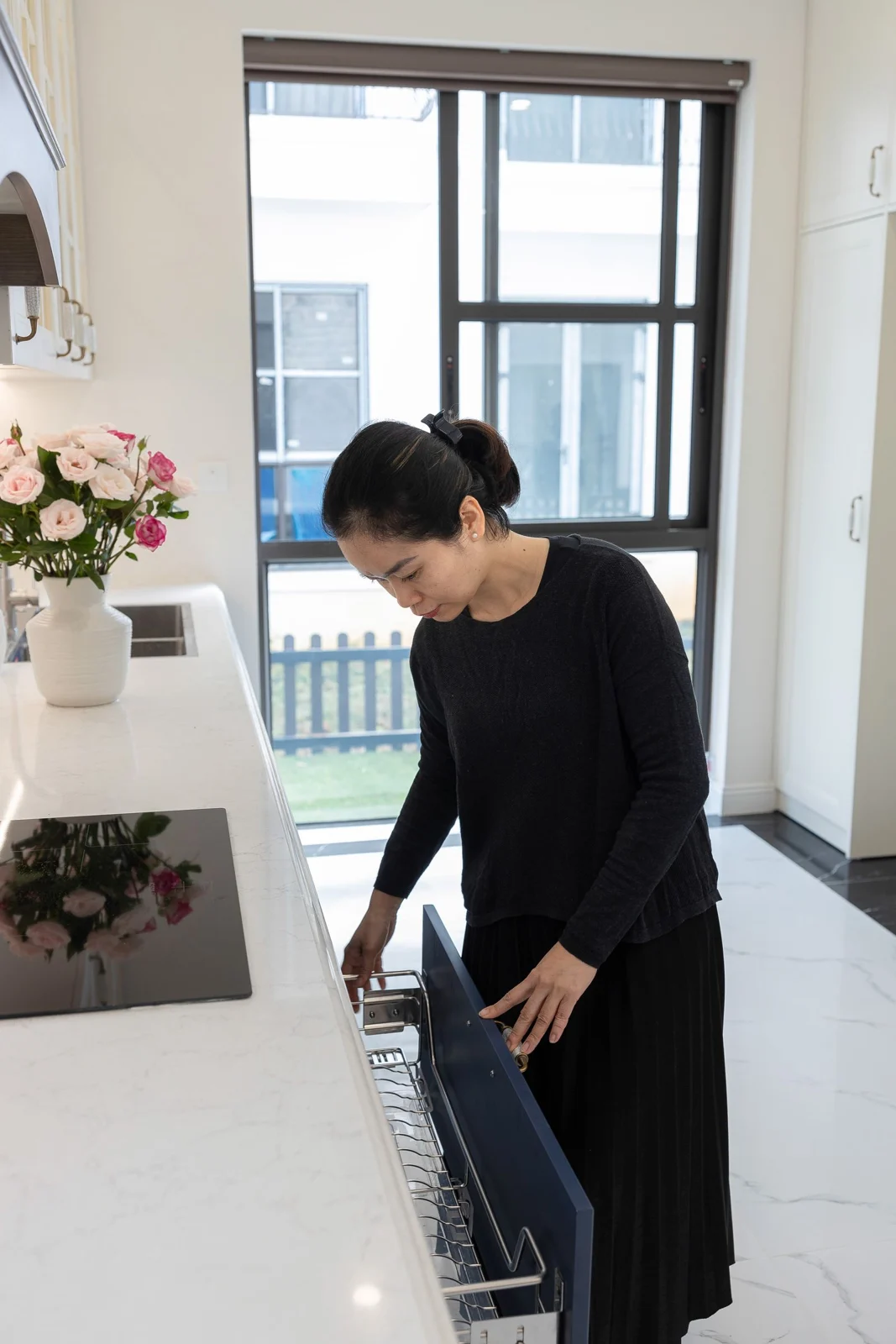
Open nearby doors and drawers. Consider the rug's thickness together with any underlay, especially at low doors. For a dining space, try pulling a chair back within the marked area; for a bedroom, check where your feet land and whether bedside furniture covers a large part of the rug.
Compare the selected size
Read the dimensions in centimetres and confirm which way a directional pattern runs. A product page may show its lowest price before you choose the larger size. Repeat the price comparison after selecting the exact dimensions, colour and material you want rather than relying on the sale banner.
Do not assume a low price per square metre means a better purchase. An oversized rug can obstruct doors or require moving furniture you intended to leave in place. A smaller one can be easier to manage but may not achieve the layout you planned. Fit is the first test; area price is only a secondary comparison.
Check the care instructions, backing, pile and any recommendation for underlay. Add the cost of suitable underlay and delivery to the selected rug price. If ordering online, consider how a large rolled item would be returned and keep the packaging until you have checked it. A sale is useful when it makes the right footprint affordable, rather than persuading you to accept a size that never quite works with the room.