Find the difficult fit points
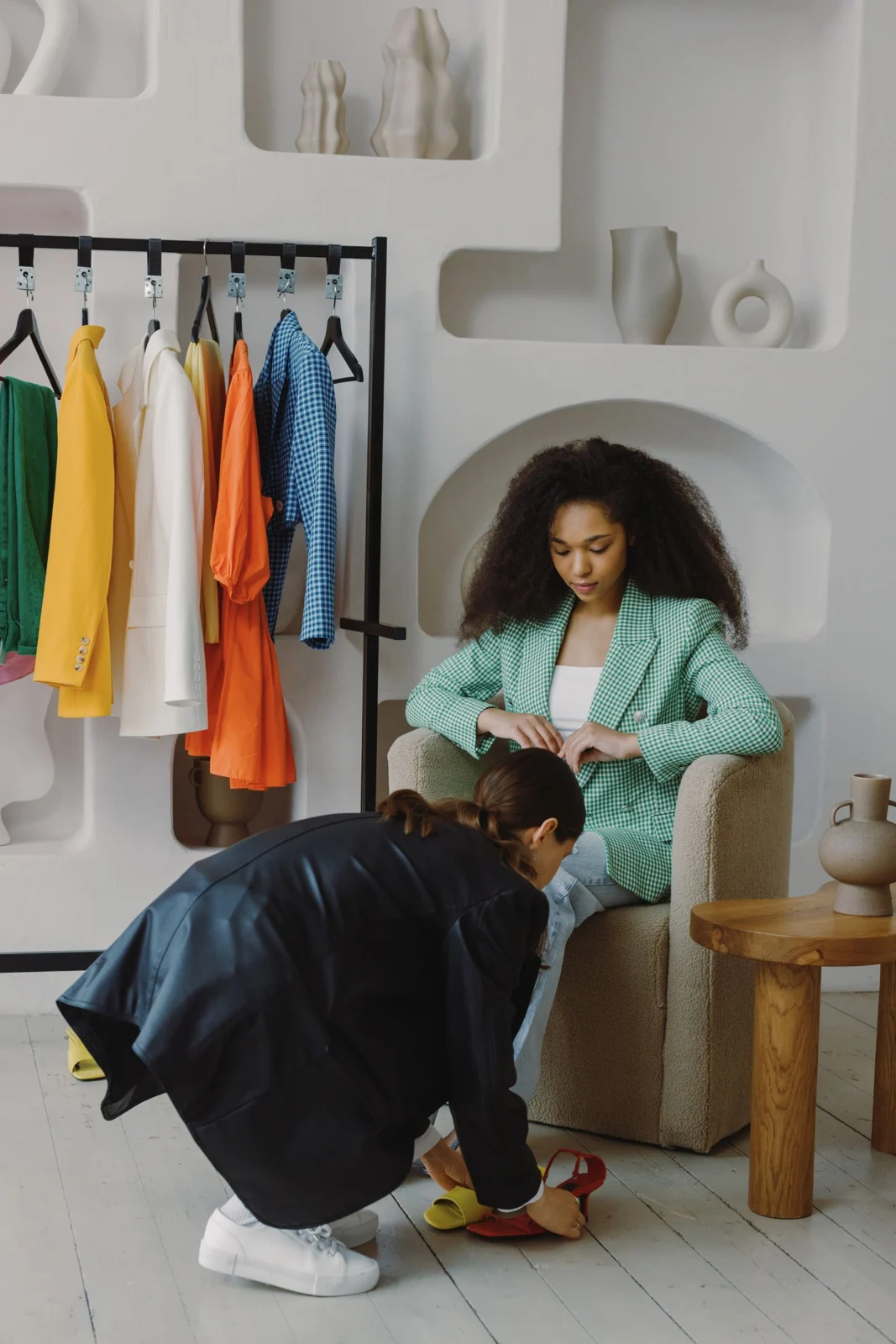
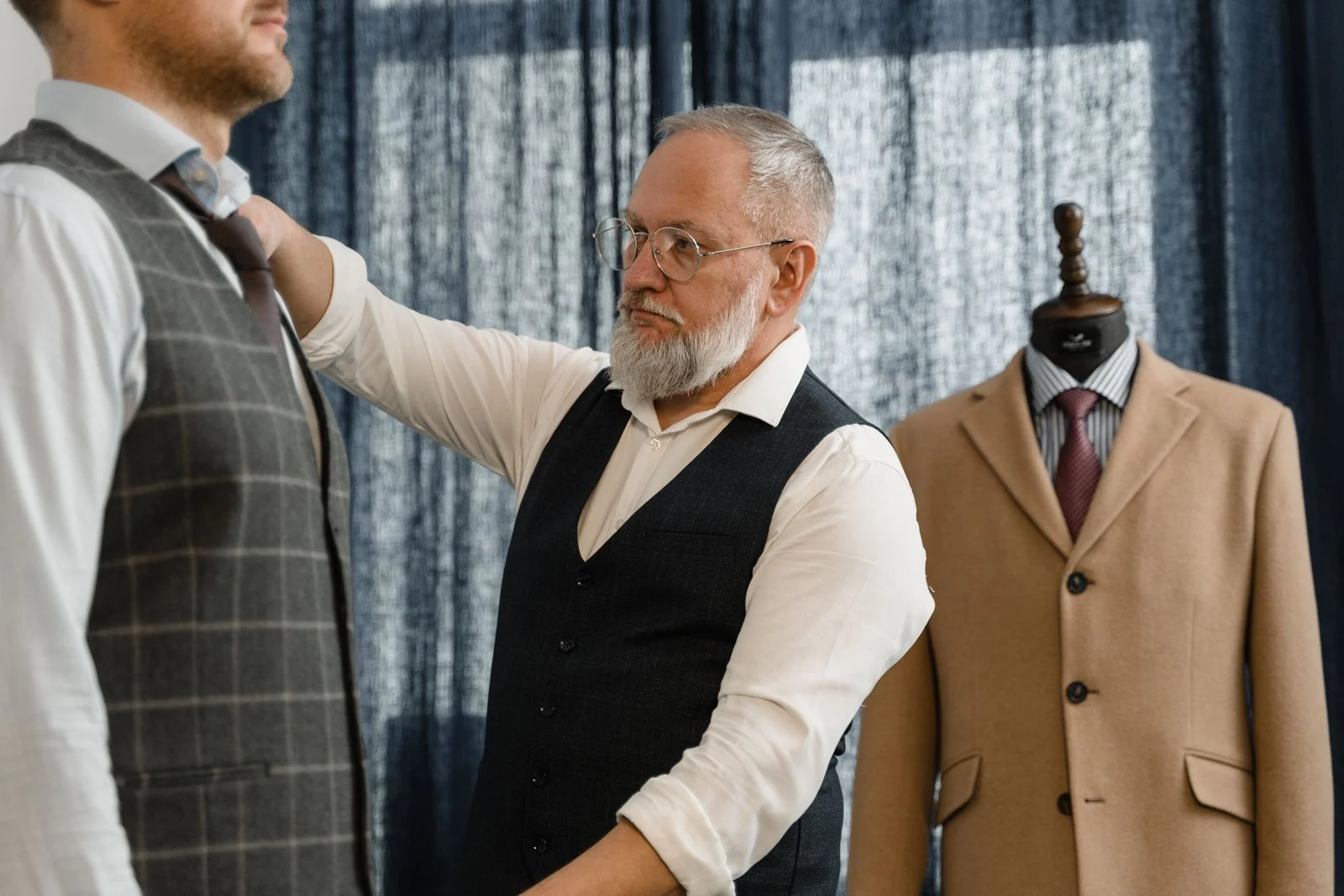
Try the garment with the shoes and underlayers you intend to wear, where appropriate. Look at the shoulders, waist, closure and overall balance rather than concentrating only on length. A simple-looking change can involve lining, pleats, lace, beading or a shaped hem, so avoid assuming every alteration has the same price.
If the garment needs significant work, ask an alterations professional whether the change is feasible and obtain an estimate before committing. Taking in a garment and letting one out are different jobs; spare fabric or seam allowance may not be available. Do not buy a clearly unsuitable size because it is the only discounted option.
Build a complete outfit total
Include necessary alterations, delivery and any genuinely missing accessories. A hypothetical £60 outfit plus a £25 alteration and £5 delivery totals £90. Compare that with an £85 option that fits and includes delivery. The original price reduction on the first outfit does not make its final cost lower.
Check what you already own before adding a bag, belt or shoes to match. An outfit that works with existing pieces can be more economical than a cheaper garment needing several new purchases. If you expect to wear it again, consider actual future occasions rather than an optimistic cost-per-wear calculation with no dates behind it.
Protect the schedule
Work backwards from the event, allowing time for delivery, an initial fitting and any agreed alteration appointment. A seller's dispatch estimate is not the date the garment will be ready to wear. Leave room to choose another option if it arrives with the wrong fit or an unexpected detail.
Read return conditions before altering or wearing the item, since you should not assume a changed garment can be returned for a change of mind. Keep order details and confirm any alteration deadline clearly. The useful purchase is an outfit that can be completed within both the budget and the calendar.